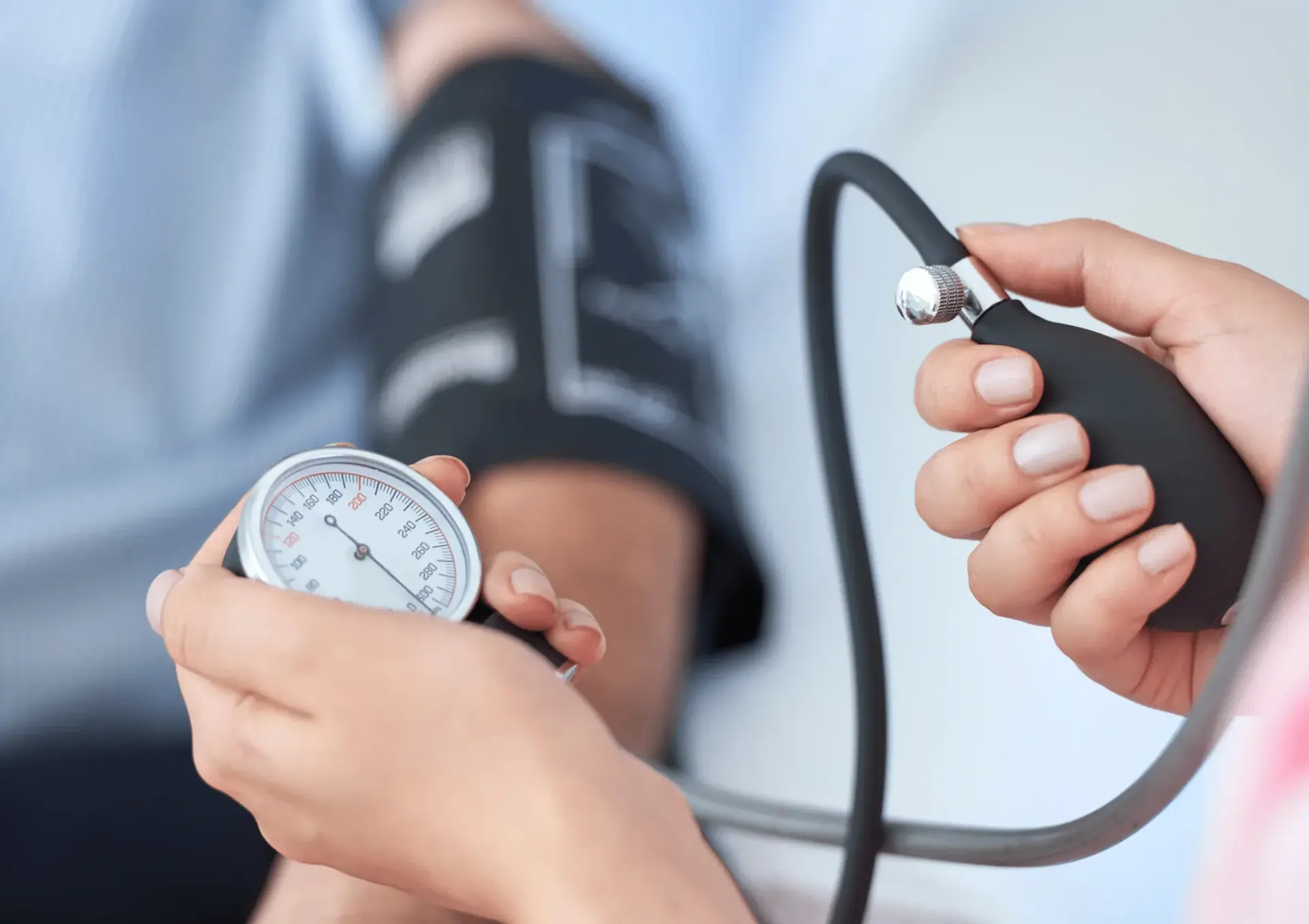
Prediabetes describes blood glucose levels that are higher than usual but below the diagnostic range for type 2 diabetes. The important practical step is to recognise it early, confirm what the result means and discuss follow-up rather than treating the label as a diagnosis of diabetes.
1. What is prediabetes?
Prediabetes is an intermediate state of elevated blood glucose. It can be identified with blood tests such as A1C, fasting plasma glucose or an oral glucose tolerance test.
Prediabetes does not mean that type 2 diabetes is inevitable. Early identification creates an opportunity to work on modifiable risk factors and discuss an appropriate plan with a healthcare professional.
2. Can prediabetes return to a normal range?
Blood glucose can improve and some people with prediabetes return to a normal range, but the result depends on individual factors and should be assessed with appropriate testing. The practical goal is to reduce risk and prevent or delay progression to type 2 diabetes.
For people with overweight, even modest weight loss together with regular physical activity can make a meaningful difference.
3. What should you do after a prediabetes result?
A useful next step is to understand which test showed the abnormal result, discuss your individual risk factors and agree on follow-up with a healthcare professional. Lifestyle changes can then be tailored to your circumstances rather than based on a one-size-fits-all diet.
- Confirm which blood test was used.
- Discuss your individual risk factors.
- Choose sustainable changes to activity and eating patterns.
- Consider weight management if it is appropriate for you.
- Keep follow-up testing as recommended.
4. How much activity is useful?
The CDC recommends at least 150 minutes a week of brisk walking or a similar activity for people with prediabetes as part of type 2 diabetes prevention. If you are inactive, start at a level that is appropriate for you and build gradually.
5. When should you get checked?
If you have risk factors for prediabetes or have been told that your blood glucose is elevated, ask a healthcare professional whether testing is appropriate. The right test and follow-up interval depend on your individual circumstances.
6. Which lifestyle changes are most practical?
The most useful changes are the ones that can be repeated. This can mean walking regularly, improving the overall quality of meals, increasing activity gradually or working on weight management when it is appropriate. A plan should take account of your current routine, access to food, work schedule and other health conditions.
Avoid treating one food, supplement or exercise as a guaranteed solution. Prediabetes is a health finding that deserves follow-up, and the right combination of lifestyle changes and monitoring depends on your individual risk and test results.
7. How should you think about follow-up?
Follow-up testing gives you a way to see whether blood glucose is changing over time. Your healthcare professional can advise when testing should be repeated and whether additional assessment is needed. Keeping a record of your results and the changes you have made can make these discussions more useful.
8. What should you avoid after a prediabetes result?
Avoid panic and avoid treating the result as a reason for extreme dieting. Prediabetes is an opportunity to understand your risk and make sustainable changes. It is also not a reason to stop prescribed medicines or delay follow-up testing.
If you are unsure what your result means, take the report to a healthcare professional and ask which test was used, what your result means and when follow-up is recommended. Clear information is more useful than trying to interpret one number in isolation.
Key takeaway
Prediabetes is a point at which early assessment and practical changes can reduce future risk. The right plan depends on the person's test results, risk factors and circumstances.
When to seek professional support
Discuss blood glucose testing and follow-up with a qualified healthcare professional, especially if you have risk factors or previous abnormal results.
Related Sutra Health resources
Continue with a related topic
Common questions
Common questions about this topic
Is prediabetes the same as diabetes?
No. Prediabetes means blood glucose is above the usual range but below the diagnostic range for type 2 diabetes.
Can lifestyle changes improve prediabetes?
Yes. Regular physical activity, healthier eating patterns and modest weight loss when appropriate can reduce the risk of progressing to type 2 diabetes.
What tests are used for prediabetes?
A1C, fasting plasma glucose and the 2-hour oral glucose tolerance test are commonly used to identify abnormal glucose levels.
This article is provided for general health education and does not replace individual medical advice, diagnosis or treatment. If you have a specific health concern, consult a qualified healthcare professional.