Starting yoga does not require advanced flexibility, expensive equipment or previous experience. Yoga is a mind-body practice that can combine physical postures, breathing techniques and meditation. For beginners, the most important step is to start slowly, understand basic movements and practise within personal comfort levels. Whether you want to improve your flexibility, explore mindful movement or develop a more consistent wellness routine, yoga can be a practical place to begin.
1. 1. Understand the Basics of Yoga
Yoga is more than a sequence of physical exercises. It brings together movement, breathing and awareness. A beginner-friendly yoga session may include:
- Asanas: Physical postures that involve movement, balance and stretching. Pranayama: Breathing practices performed with awareness and control. Relaxation: Quiet time to settle the body and mind. Mindfulness: Paying attention to your breathing and movements.
2. 2. Begin With Simple Yoga Poses
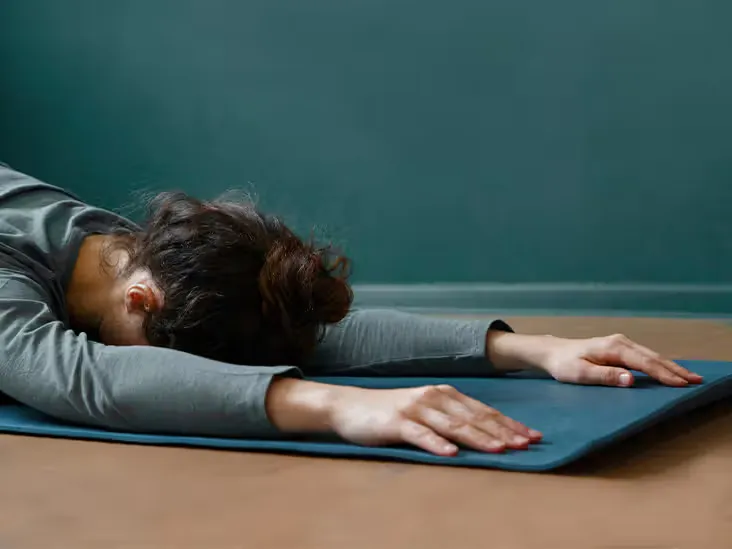
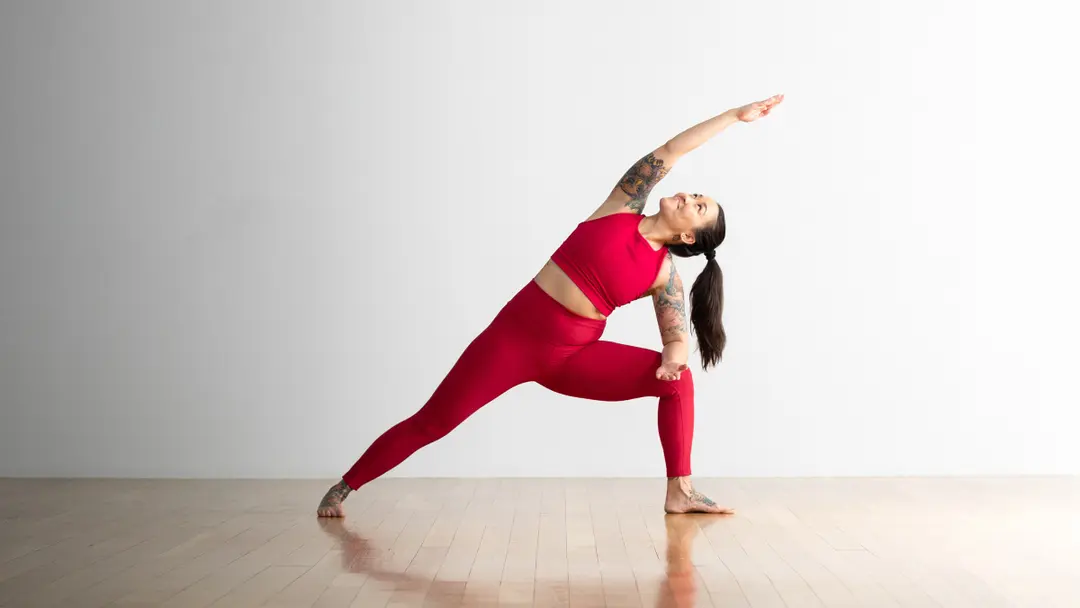
Some gentle postures can help beginners become familiar with basic yoga movements. Mountain Pose (Tadasana) Stand comfortably with your feet grounded. Keep your spine naturally upright, relax your shoulders and breathe normally. Focus on maintaining a comfortable standing position rather than forcing your posture. Cat-Cow Pose (Marjaryasana-Bitilasana) Begin on your hands and knees. Slowly round your back as you exhale, then gently move your chest forward and lift your head as you inhale. Keep the movement comfortable and avoid forcing your neck or lower back. Child's Pose (Balasana) Kneel on the floor and gently lower your upper body towards your thighs. Rest your forehead on a comfortable surface if possible. Use a cushion or another comfortable modification if needed. Bridge Pose (Setu Bandhasana) Lie on your back with your knees bent and feet resting on the floor. Gently lift your hips while keeping your shoulders relaxed. Avoid pushing through pain or arching your back excessively. Note: These are examples of common yoga postures, not a personalised exercise prescription. Learn correct technique and suitable modifications from a qualified instructor.
3. 3. Learn to Coordinate Movement With Breathing
Breathing awareness is an important part of many yoga practices. For beginners:
- Breathe naturally during simple movements. Avoid holding your breath unnecessarily. Keep breathing slow and comfortable. Never force deep breathing or prolonged breath retention. Stop if you feel dizzy, uncomfortable or breathless.
Key takeaway
Yoga is a practice that can be explored gradually, regardless of your starting flexibility or experience. Begin with comfortable movements, natural breathing and simple postures. Learn from a qualified instructor, listen to your body and build a routine that fits your abilities. The goal is not to perform the most difficult pose. It is to develop a safe and sustainable relationship with movement and well-being.
When to seek professional support
Yoga is generally considered safe for healthy people when practised appropriately. However, injuries such as strains and sprains can occur. Speak with a healthcare professional before starting if you are pregnant, have an existing injury, experience significant joint or back problems, have a balance condition or have another health concern that may affect exercise. Some postures and breathing practices may need to be modified or avoided depending on individual circumstances. Stop practising if you experience sharp pain, dizziness or unusual discomfort. Yoga should not replace medical assessment or prescribed treatment.
Related Sutra Health resources
Continue with a related topic
Common questions
Common questions about this topic
1. Can beginners start yoga without being flexible?
Yes. Flexibility is not a requirement for starting yoga. Beginners can begin with comfortable movements and gradually learn suitable modifications.
2. How long should a beginner practise yoga?
You can begin with a short session, such as 10–15 minutes, depending on your comfort and ability. Increase the duration gradually if appropriate.
3. Do I need a yoga mat?
A non-slip yoga mat can provide comfort and stability. However, the equipment needed depends on the type of practice and surface.
Sources & further reading
- 1.National Center for Complementary and Integrative Health (NCCIH) – Yoga: Effectiveness and Safety https://www.nccih.nih.gov/health/yoga-effectiveness-and-safety
- 2.NCCIH – 5 Things You Should Know About Yoga https://www.nccih.nih.gov/health/tips/things-you-should-know-about-yoga
This article is provided for general health education and does not replace individual medical advice, diagnosis or treatment. If you have a specific health concern, consult a qualified healthcare professional.