

In everyday life
It can mean seeing a situation from more than one angle, noticing what you can control and not assuming the worst.
Mindset
Positive thinking is not about ignoring difficult experiences. It is noticing your thoughts and choosing more constructive responses.
It can mean seeing a situation from more than one angle, noticing what you can control and not assuming the worst.
Healthy thinking leaves room for disappointment, fear, anger or grief, while still allowing reflection, acceptance and action.
Noticing recurring thoughts and reactions lets you pause and choose a response that fits your values.
Use these as points for reflection, not as a promise of any mental-health outcome.
People face different challenges. Compassion and understanding make for kinder interactions.
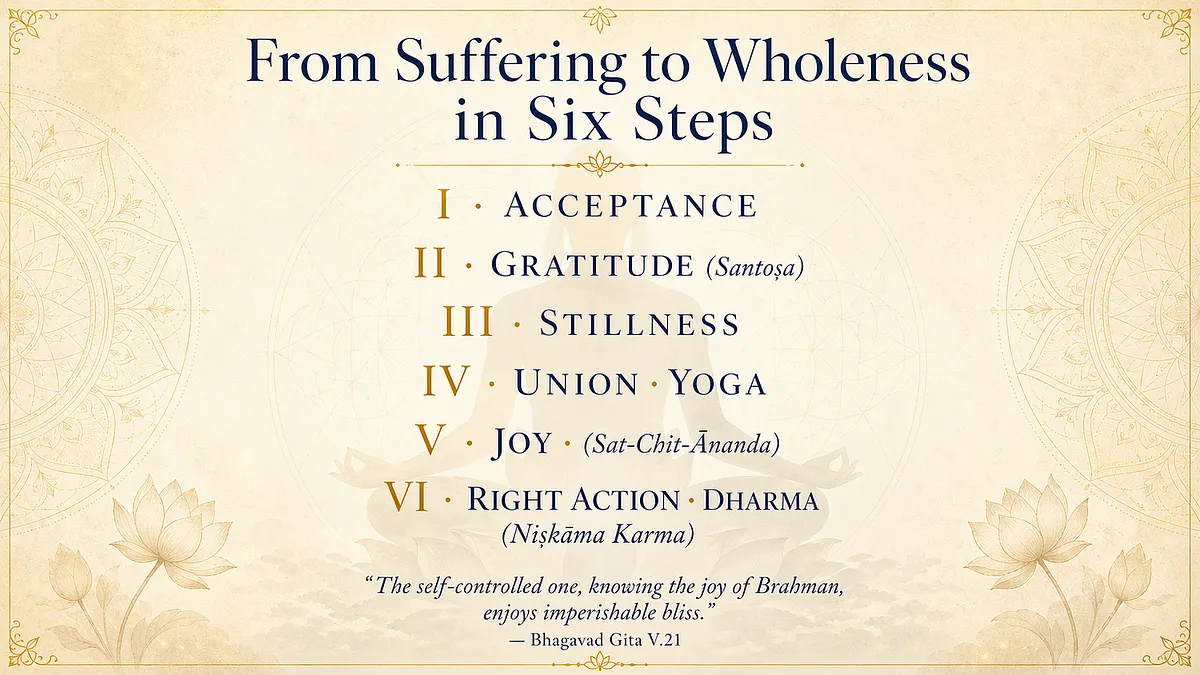
Practise seeing a situation as it is instead of constantly wishing it were different. Acceptance can lead to calmer, more constructive responses.
Notice and name things you value in everyday life. Gratitude helps attention settle on what is good in your relationships and day.
Take responsibility for your choices and reflect on emotions such as desire, anger, pride, fear and grief. Some people find David Hawkins's Levels of Consciousness a useful framework for reflection. It is a personal and spiritual model, not a scientific one.
Read an overview of the framework →Slow down, breathe comfortably and pay attention to what you are doing right now.
Pause and name what you are thinking before reacting.
Try this: Ask, 'What am I telling myself right now?'
Separate what you can influence from what you cannot change directly.
A short gratitude note helps you notice something useful or good in your day.
Slow down, breathe comfortably and bring your attention back to now.
Learn a simple meditation →Positive thinking is not a replacement for professional care. If low mood, anxiety or distress is lasting, severe or affecting daily life, speak to a doctor or qualified mental-health professional.
Common questions
No. A constructive mindset can hold difficult emotions and still look for useful responses. It is not about forcing yourself to feel happy or denying problems.
It can encourage reflection, gratitude and a constructive outlook. Experiences vary, and it is not a guaranteed treatment for any health condition.
Pick one habit, such as noticing a thought, asking what is in your control, or writing one thing you appreciate, and repeat it daily.
There is no set timeline. It depends on you, your circumstances and how consistently you practise.
No. If difficulties are lasting, severe or affecting daily life, speak to a qualified healthcare professional.
Book an appointment to discuss stress and mindset.
This page is general information. It is not a substitute for medical assessment or diagnosis and treatment from a qualified mental-health professional. If you or someone else is in immediate danger, contact local emergency services.