
Choose a comfortable route
Pick a safe path, park or green space that fits your mobility and time.
Nature and wellbeing
Simple ways to spend more time outdoors, enjoy walking in green spaces and bring greenery into your home.
A nature walk combines gentle physical activity with time outdoors. Walking in a green or natural setting can be an enjoyable way to move, take a break from screens and vary your day.
It does not need to be long or hard. Choose a safe route that suits your fitness, the weather and your surroundings.
Pick a safe path, park or green space that fits your mobility and time.
A pace you can repeat is more useful than a hard workout you skip.
When it is safe, put the phone away and notice your surroundings.
Choose plants that suit your home's light and your time. Watering can become a small daily routine.
Plants add greenery and can be enjoyable to look after. Some studies have found plants can take up certain air pollutants under controlled laboratory conditions. This does not show that a few houseplants clean the air in a real home.
Plants are not a substitute for ventilation, an air purifier or reducing sources of pollution.
Choose according to light, watering needs, space and who lives in the home. Some of these plants are harmful if eaten, so keep them away from small children and pets.
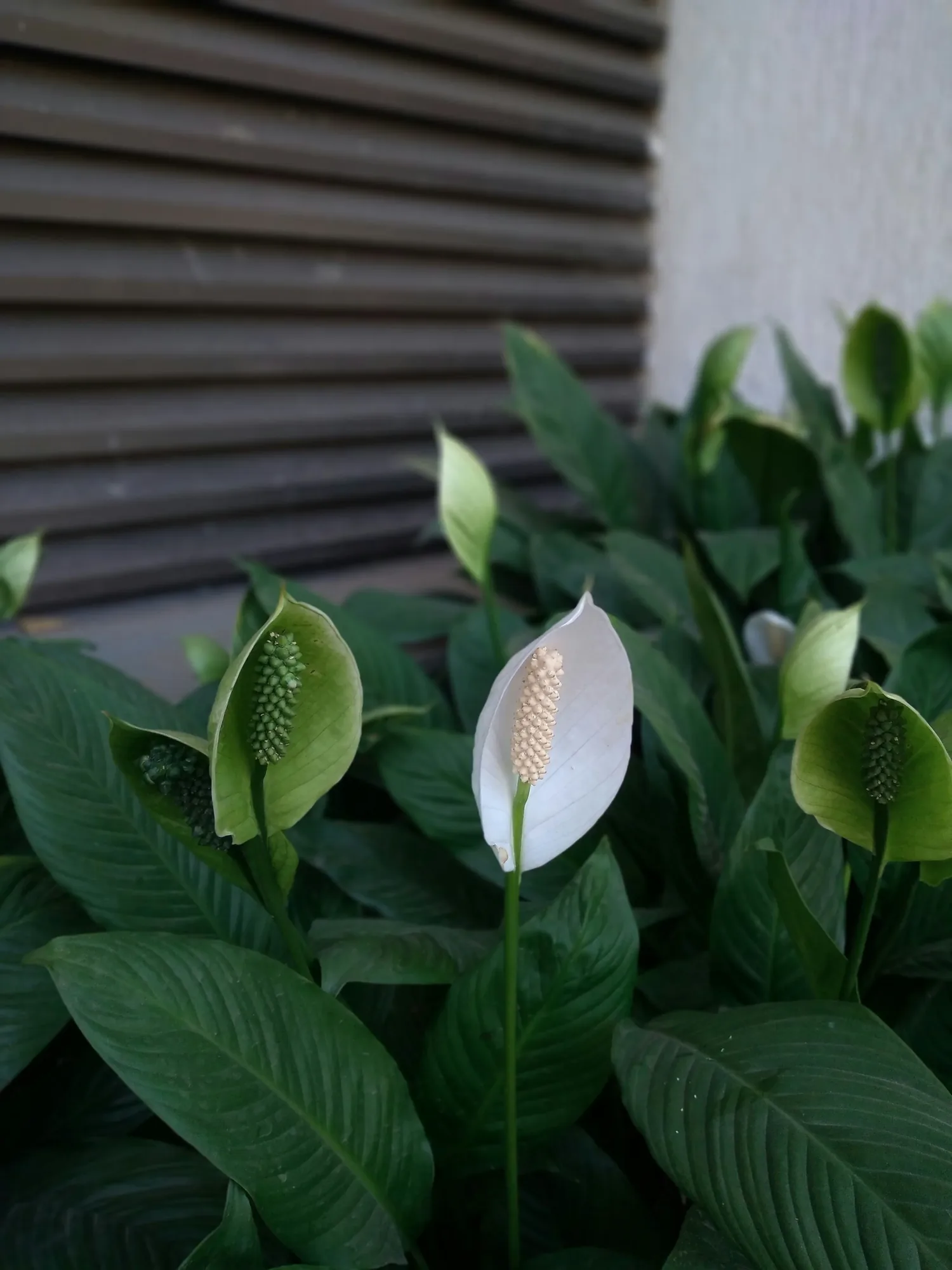
Spathiphyllum
A flowering plant that prefers indirect light and steady moisture. Harmful to pets and children if eaten.
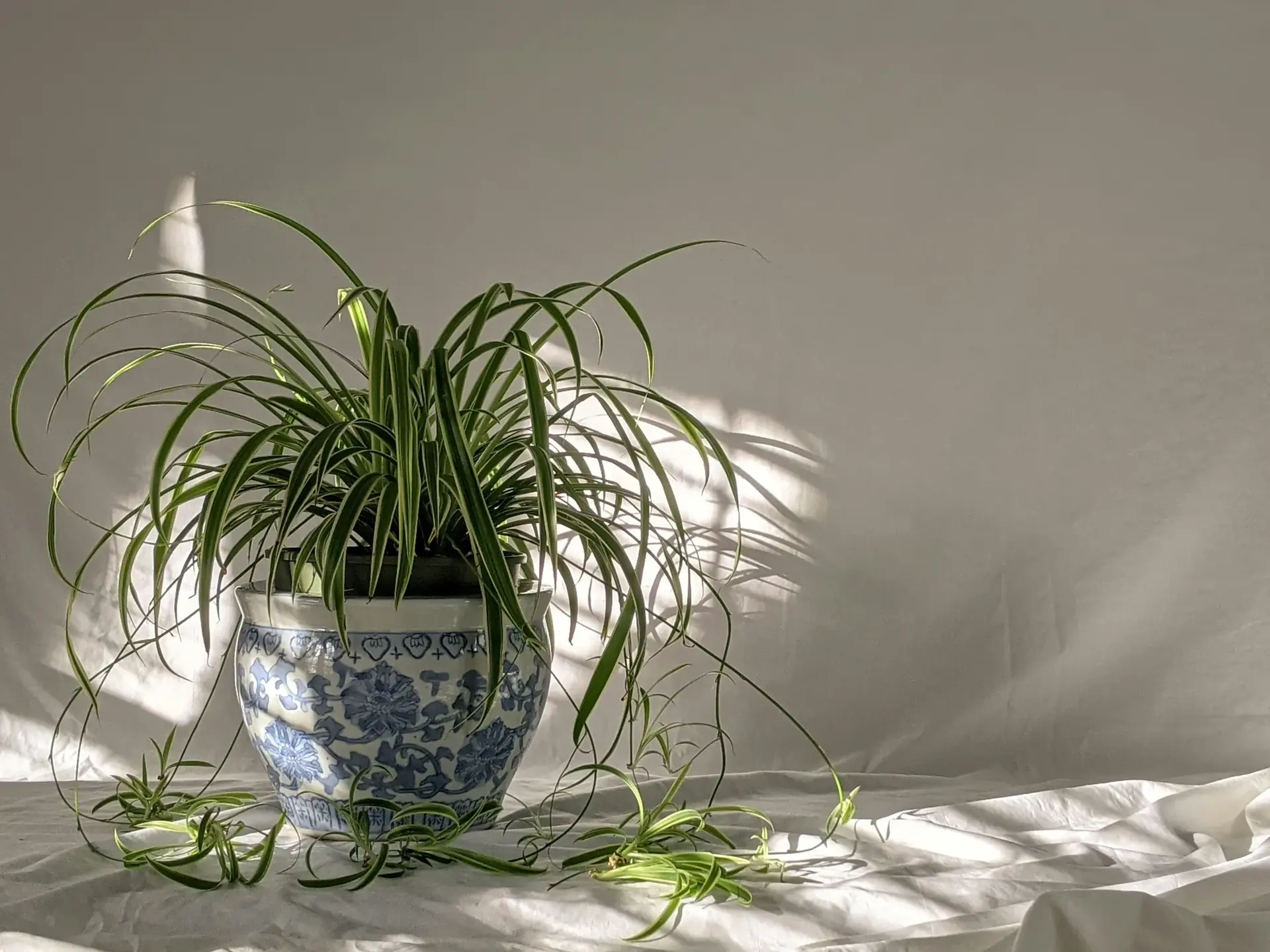
Chlorophytum comosum
A forgiving choice for beginners that adapts to most indoor conditions with suitable light and watering. Generally considered safe around pets.

Golden pothos
A hardy trailing plant grown in soil or water. Adapts well with moderate light. Harmful to pets and children if eaten.
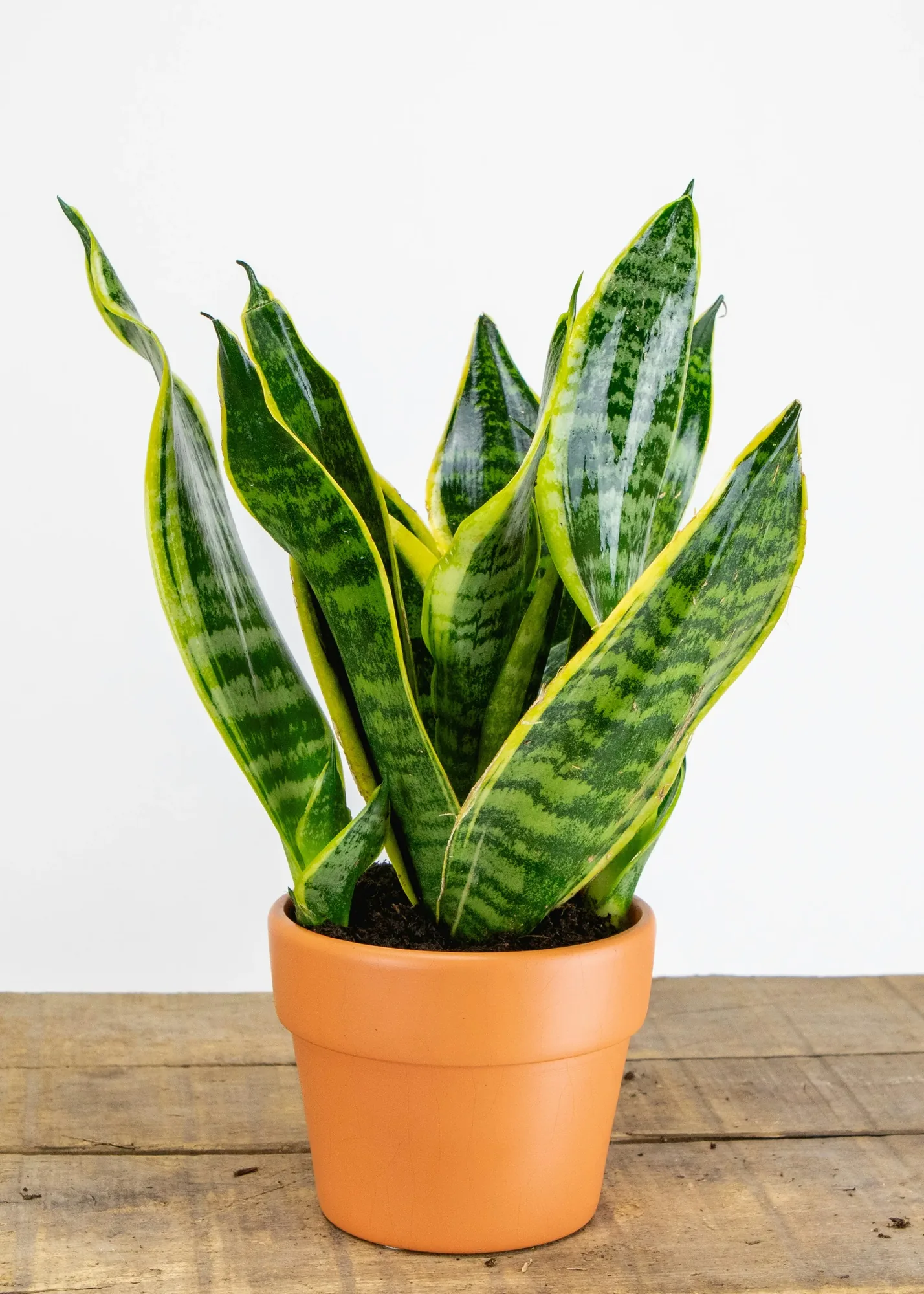
Sansevieria
Low maintenance and tolerant of many conditions. Let the soil dry between waterings. Harmful to pets and children if eaten.
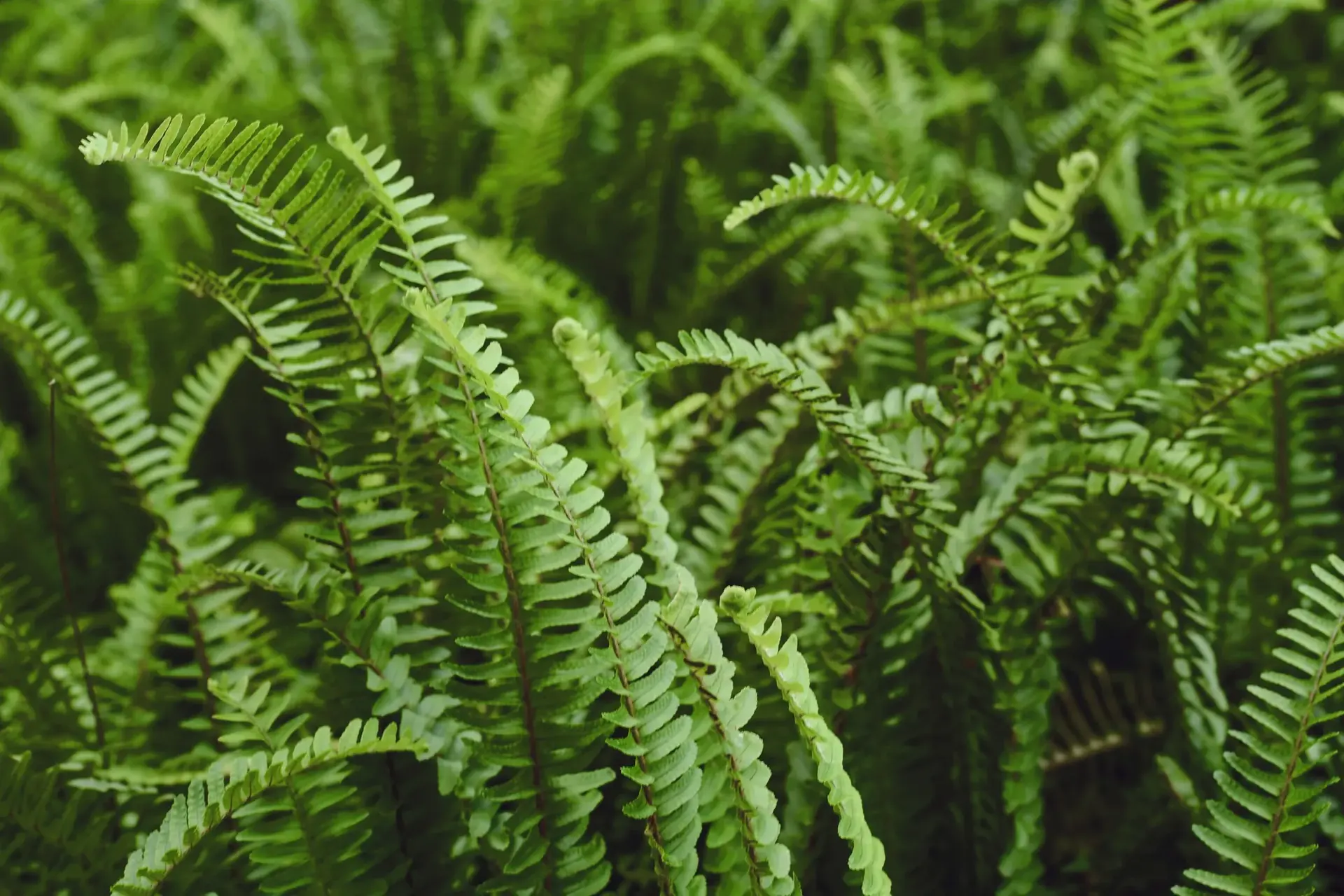
Nephrolepis exaltata
A lush fern that likes indirect light, humidity and steady moisture. Generally considered safe around pets.
Common questions
The activity is the same. A nature walk simply takes place in a park, trail or other green setting.
Plants have been studied in controlled settings, but a few houseplants are not enough to clean the air in a real home. Ventilation matters more.
Snake plants and spider plants are commonly considered forgiving. Care still depends on light, watering and temperature.
Choose a safe route and a realistic amount of time that fits your day, then repeat it.
Book an appointment to talk through realistic habits.
This page is general information. It is not a substitute for medical assessment or diagnosis and treatment from a qualified mental-health professional. If you or someone else is in immediate danger, contact local emergency services.